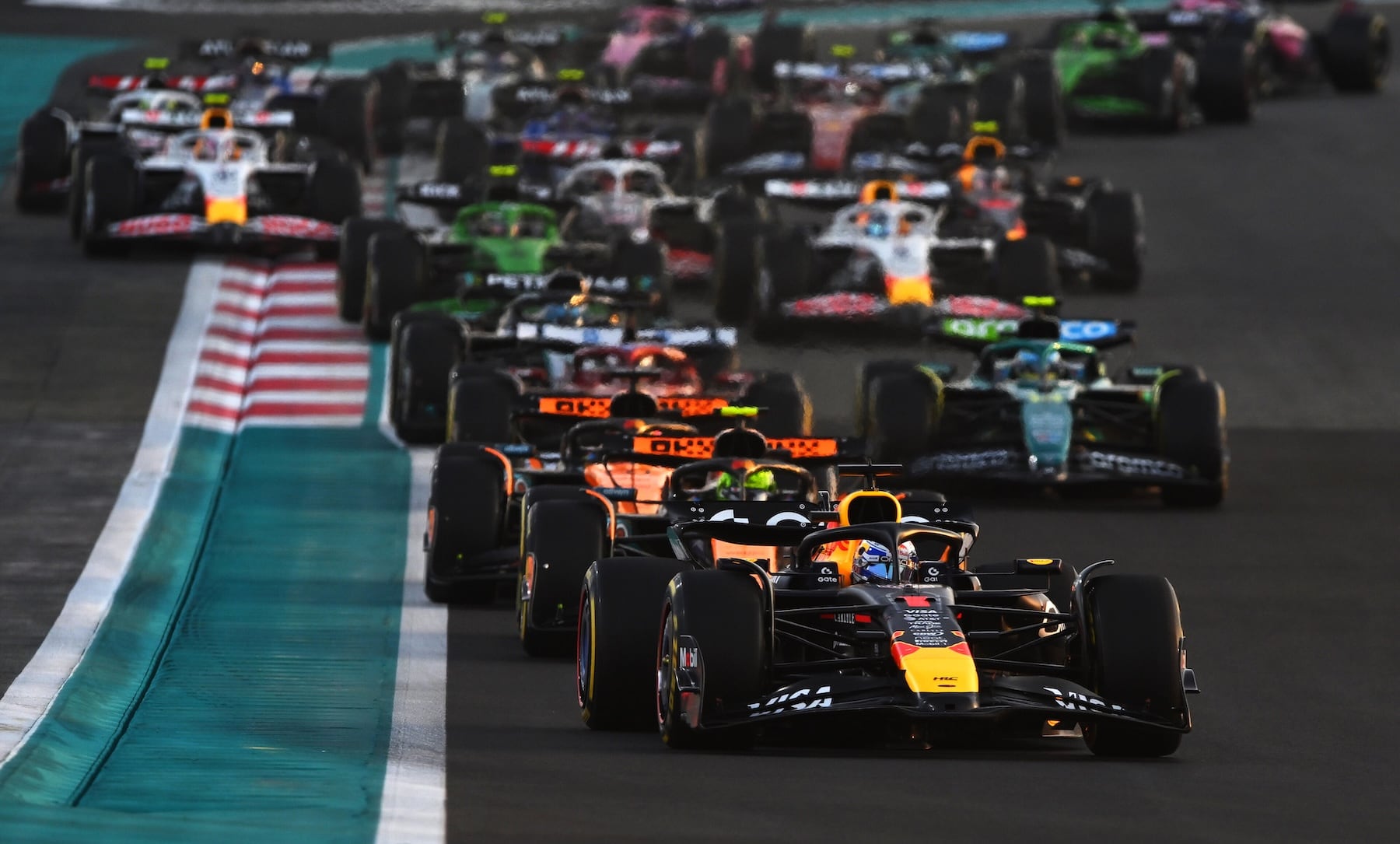
Formula 1 is no longer just the pinnacle of motorsport—it is one of the most powerful commercial platforms in global sport. According to Forbes’ latest figures, the 2025 Formula 1 season delivered record-breaking earnings for the world’s elite drivers. This article presents the definitive ranking of the highest-paid F1 drivers in 2025, based exclusively on salaries and performance bonuses, converted and analyzed for a global luxury-minded audience.
Formula 1 Driver Salaries Reach Historic Highs
In 2025, the ten highest-paid Formula 1 drivers earned a combined $363 million, marking a 15% increase from 2024 and a remarkable 72% rise since Forbes first began publishing its F1 earnings ranking in 2021.
This surge reflects Formula 1’s extraordinary commercial growth. The average F1 team generated approximately $430 million in annual revenue, while average team valuations climbed to $3.6 billion. Crucially, while the sport’s cost cap restricts spending on car development, driver salaries remain exempt, allowing teams to invest heavily in elite talent as a competitive advantage.
The Highest-Paid F1 Drivers of 2025: Top 10 Ranking
1. Max Verstappen
Total Earnings: $76 million
Team: Red Bull Racing
Despite narrowly missing out on a fifth world championship, Max Verstappen once again topped Formula 1’s financial leaderboard. With a base salary of $65 million and $11 million in bonuses, the Dutch superstar has now led the earnings ranking for four consecutive seasons, underlining his unmatched value to Red Bull.
2. Lewis Hamilton
Total Earnings: $70.5 million
Team: Ferrari
Hamilton’s first season in Ferrari red proved challenging on track, but financially historic. His estimated $70 million salary—one of the highest ever in Formula 1—secured second place in the ranking, reaffirming his status as the most commercially powerful driver on the grid.
3. Lando Norris
Total Earnings: $57.5 million
Team: McLaren
The 2025 Formula 1 World Champion translated sporting success into exceptional financial rewards. While Norris’ base salary stood at $18 million, his championship-winning campaign generated nearly $40 million in performance bonuses, elevating him to third overall.
4. Oscar Piastri
Total Earnings: $37.5 million
Team: McLaren
Locked in a season-long title fight with Norris, Oscar Piastri delivered seven Grand Prix victories and played a key role in McLaren’s constructors’ championship. His combination of salary and bonuses places him firmly among Formula 1’s new financial elite.
5. Charles Leclerc
Total Earnings: $30 million
Team: Ferrari
Although Ferrari endured an inconsistent season, Charles Leclerc’s long-term contract ensured a stable and lucrative income. As one of the sport’s most recognizable figures, his value extends well beyond the points table.
6. Fernando Alonso
Total Earnings: $26.5 million
Team: Aston Martin
At 44 years old, Fernando Alonso remains one of Formula 1’s highest earners. While results dipped in 2025, his experience and leadership continue to command a premium salary, reinforcing his enduring market appeal.
7. George Russell
Total Earnings: $26 million
Team: Mercedes
As Mercedes’ lead driver following Hamilton’s departure, George Russell delivered consistency and two race wins. His balanced compensation package reflects both performance incentives and long-term team confidence.
8. Lance Stroll
Total Earnings: $13.5 million
Team: Aston Martin
Lance Stroll’s ranking stands out due to rare financial disclosures. Despite modest results, his reported compensation highlights how contractual structures—and ownership dynamics—can significantly influence driver earnings.
9. Carlos Sainz
Total Earnings: $13 million
Team: Williams
After leaving Ferrari, Carlos Sainz quickly reestablished his value at Williams. Two podium finishes and strong peer recognition helped secure a solid earnings position within the top ten.
10. Kimi Antonelli
Total Earnings: $12.5 million
Team: Mercedes
Still a teenager, Kimi Antonelli completed an impressive rookie campaign. His combination of base salary and performance bonuses signals enormous financial upside as his Formula 1 career unfolds.
Why Formula 1 Driver Salaries Continue to Rise
F1 driver compensation typically combines a guaranteed base salary with bonuses tied to race wins, points finishes, and championship results. Veteran drivers at top teams receive substantial fixed pay, while younger drivers can dramatically increase earnings through performance.
With development costs capped and revenues accelerating, driver salaries have become one of the few unrestricted competitive tools for teams—driving continued escalation at the top end of the market.
Conclusion: Formula 1’s Era of “Athlete Assets”
The 2025 Formula 1 earnings ranking illustrates a sport transformed. Today’s top drivers are not merely racers—they are high-value assets whose performance, brand power, and marketability shape the competitive and financial landscape of the championship.
As Formula 1’s global influence continues to expand, the financial gap between elite drivers and the rest of the grid is likely to grow even wider. In this era, success on the track is inseparable from dominance on the balance sheet.