When a driver sits in a Porsche, their gaze is intuitively drawn to the center of the instrument cluster. What they see is not the speedometer, but the tachometer—the gauge that visualizes the heartbeat of the engine.
From the latest 911 to the vintage air-cooled classics, the centrally positioned tachometer is more than a stylistic choice. It is a defining feature that bridges seven decades of automotive history, originating directly from the rigorous demands of motorsport.
The Origin: The 1953 550 Spyder
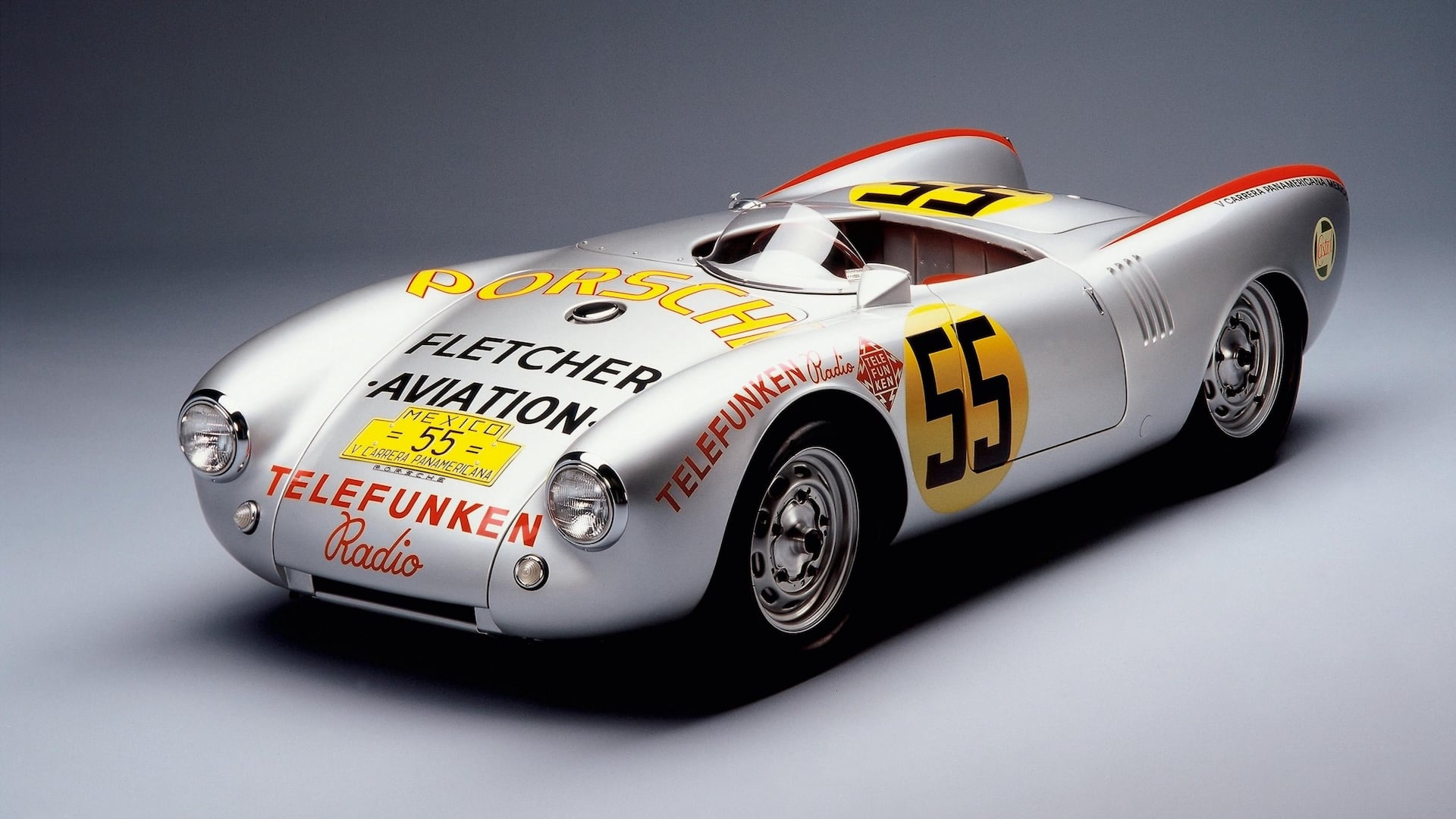
The tradition traces its roots back to the 550 Spyder, the first Porsche designed specifically for motorsport in 1953.
To understand the logic, one must look back to November 1953, at the grueling Carrera Panamericana road race in Mexico. For racing drivers like Hans Herrmann and Karl Kling, exact road speed was secondary. In a race environment, the goal is always to drive as fast as possible. What mattered most was engine speed—RPM.
Monitoring RPM was critical for maintaining the engine’s “sweet spot” for power delivery and knowing the precise moment to shift gears. More importantly, it was vital for engine preservation. Recognizing this, Porsche relocated the tachometer to the center of the dashboard in the 550 Spyder.
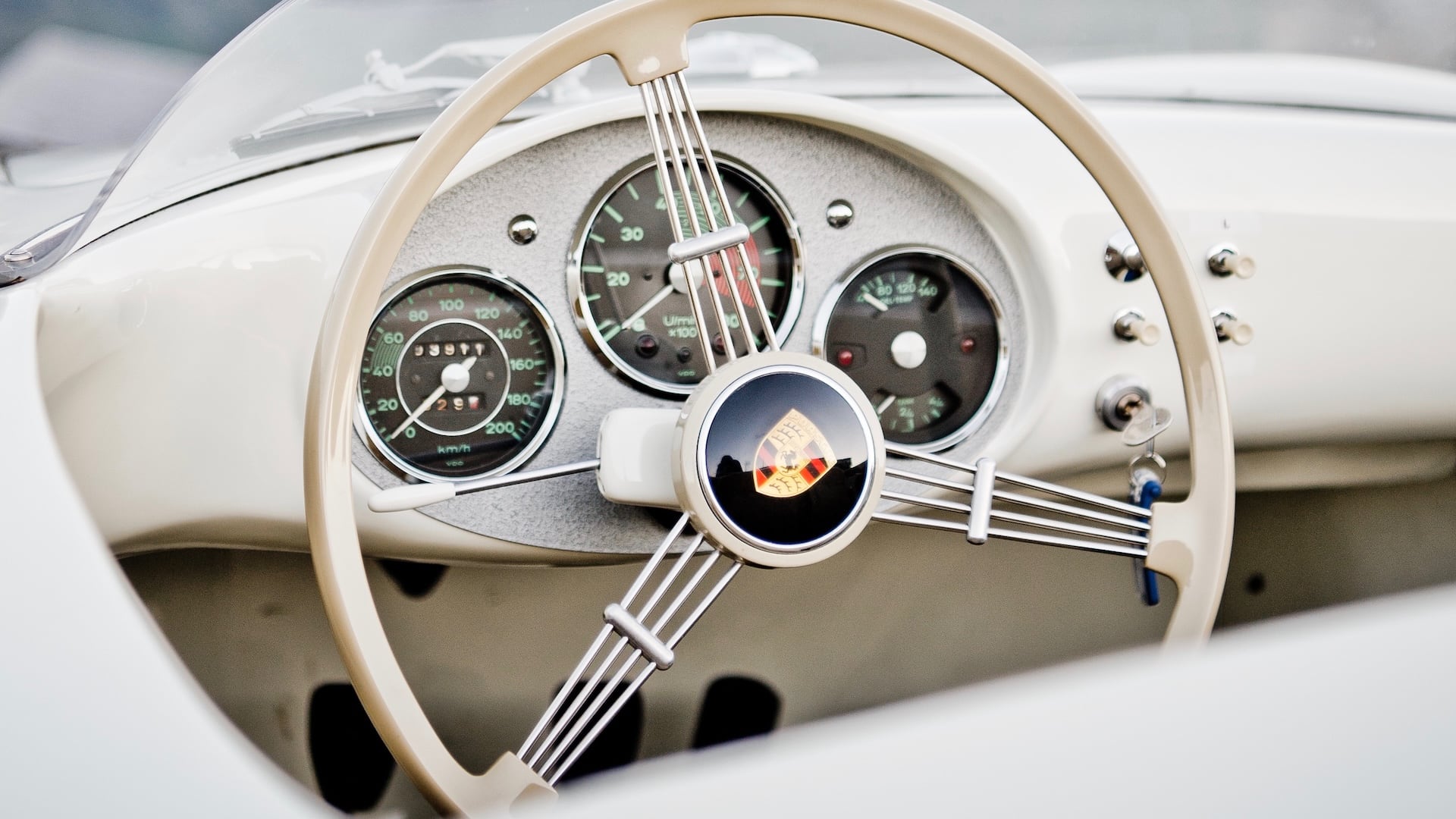
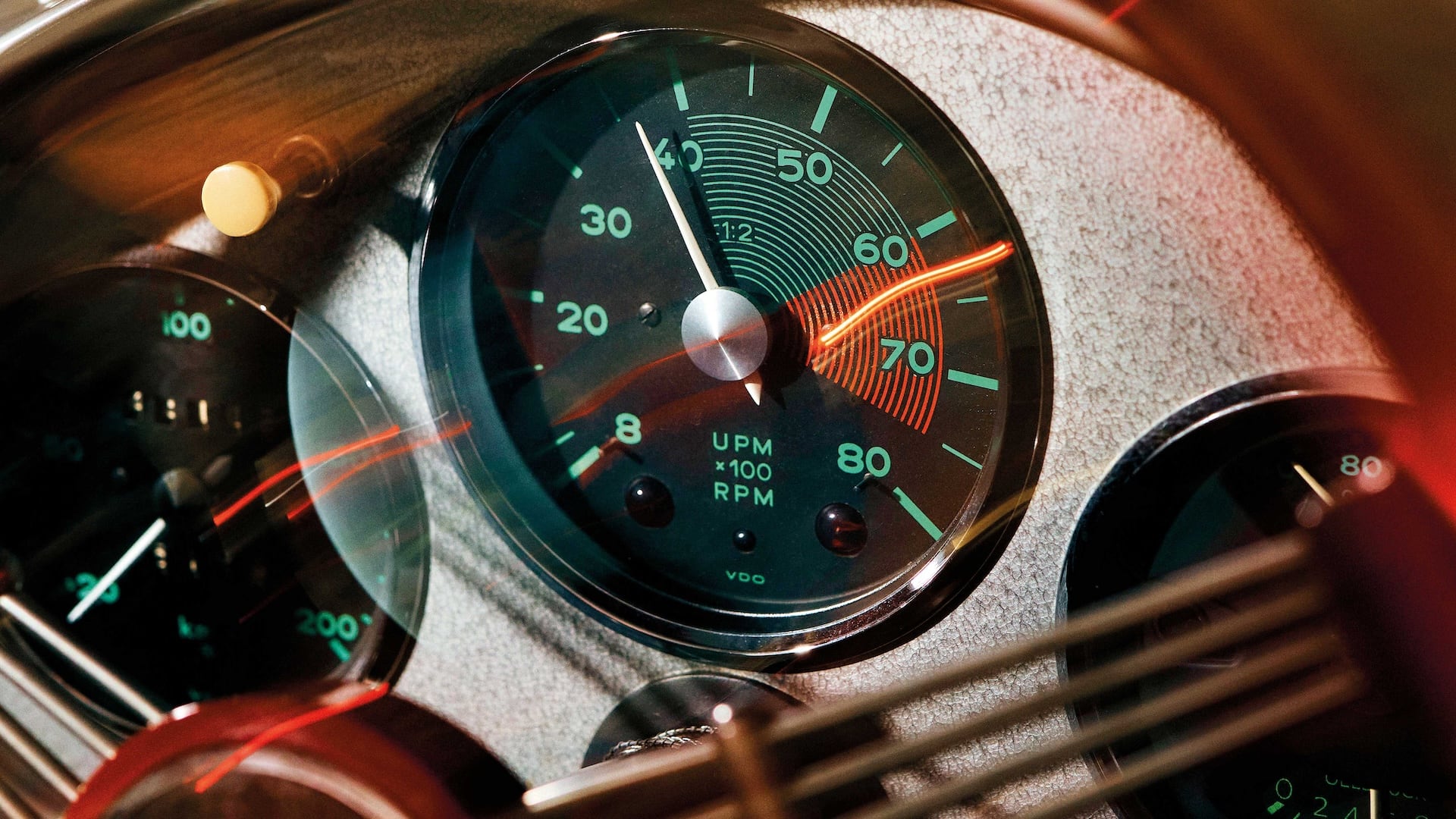
The gauge featured a chrome frame with numbers 0 to 80 (x100) in light green against a black background. A green zone indicated the optimal power band between 4,000 and 6,000 RPM, while the red zone served as a warning to show restraint. This layout proved its worth; just one year later, Hans Herrmann achieved a class victory and third place overall at the Panamericana, successfully balancing maximum performance with minimal component wear.
From the Track to the Road
In true Porsche fashion, lessons learned on the racetrack were quickly applied to production vehicles. In 1955, the central instrument debuted in the new 356 A. By the time the iconic 911 (originally the 901) premiered in 1963, the centered tachometer had become an integral part of Porsche’s DNA.
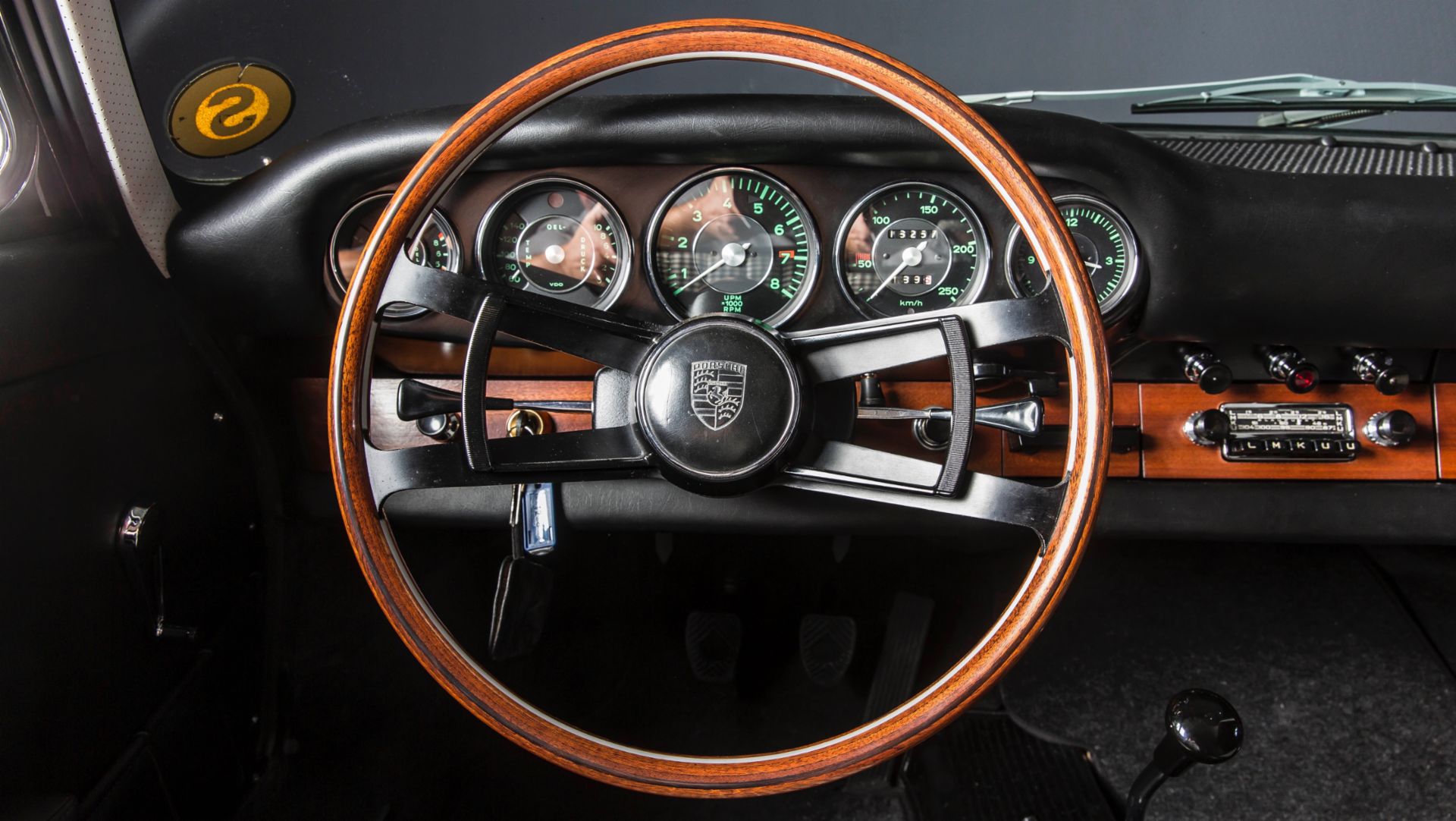
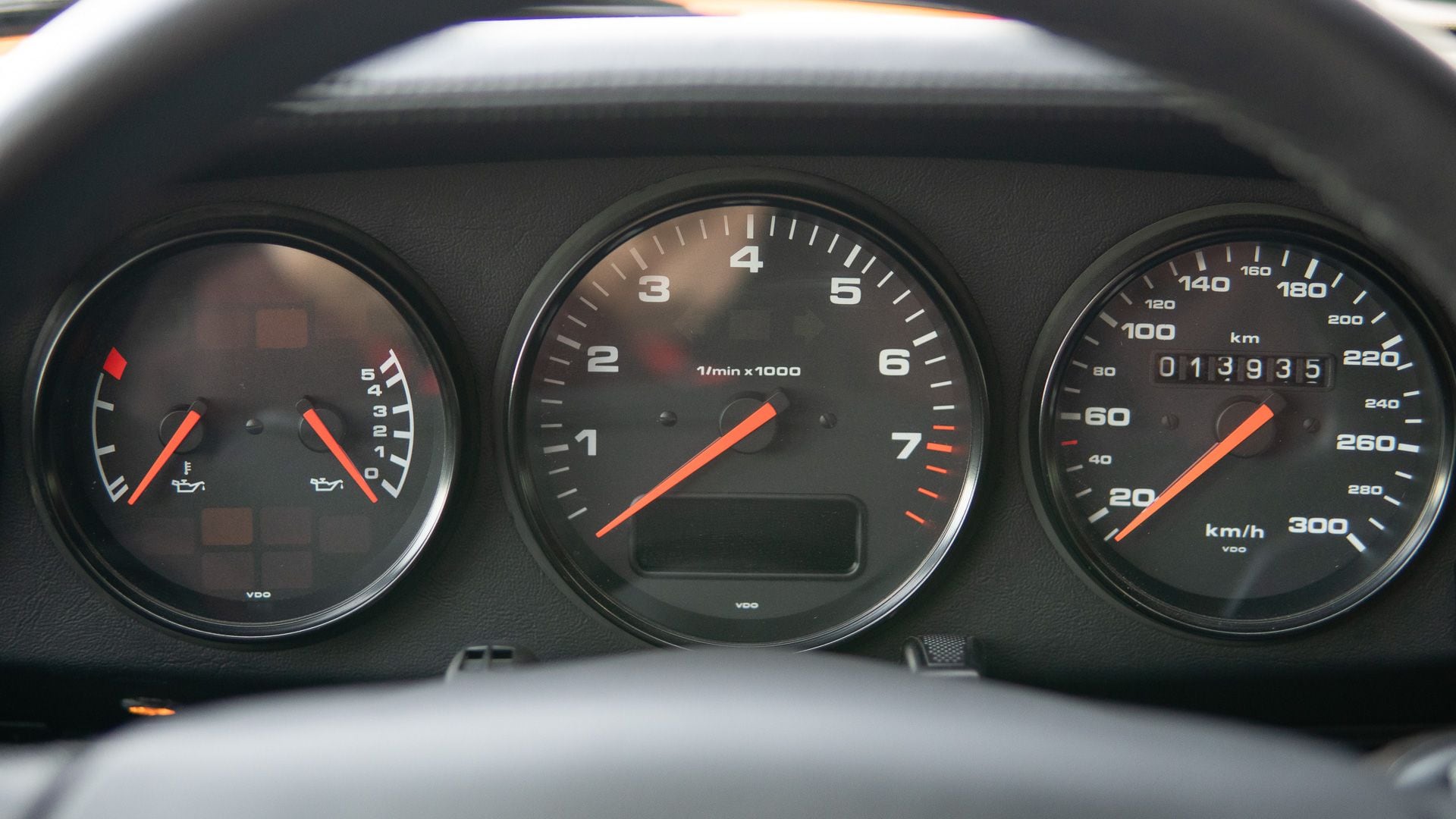
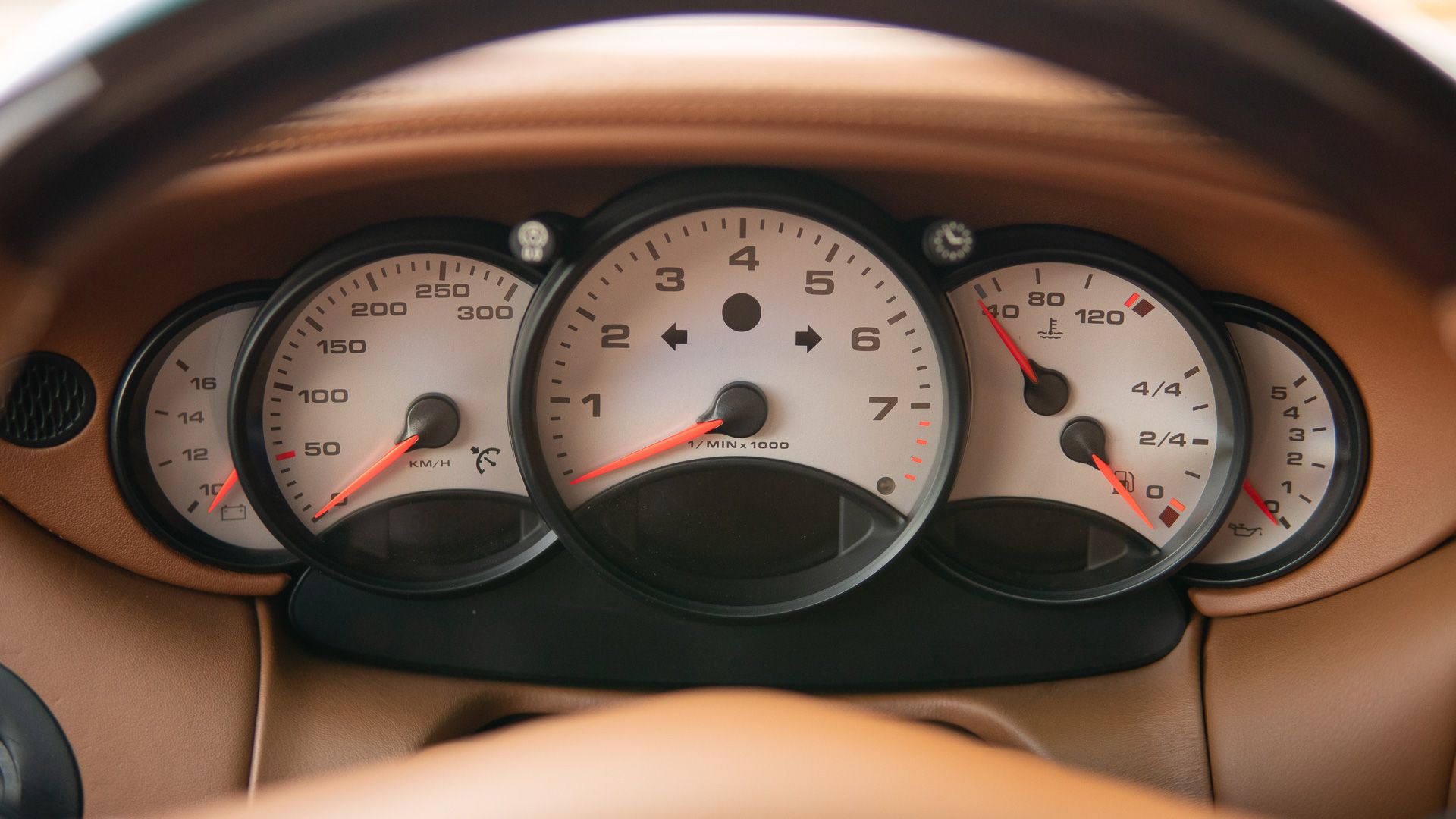
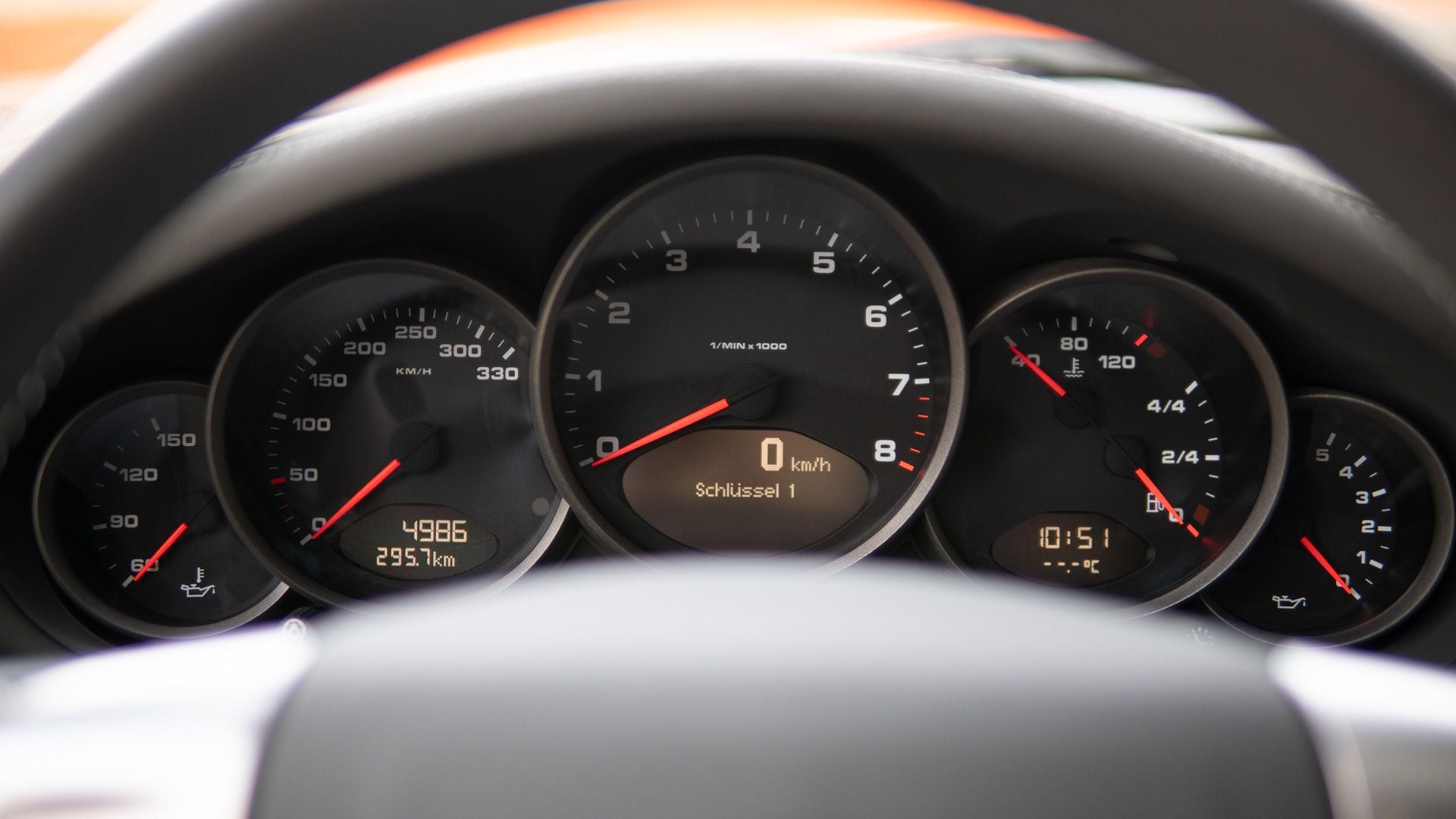
While the 550, 356, and early 912 utilized a three-gauge layout, the 911 expanded this to five round instruments, yet the tachometer retained its throne in the center. Later mid-engine models like the Boxster and Cayman would reintroduce the three-gauge cluster as a homage to the 550 Spyder. Although some transaxle models (924, 928) and the first Cayenne deviated from this layout, the central focus on RPM has remained a constant for the brand’s core sports cars.
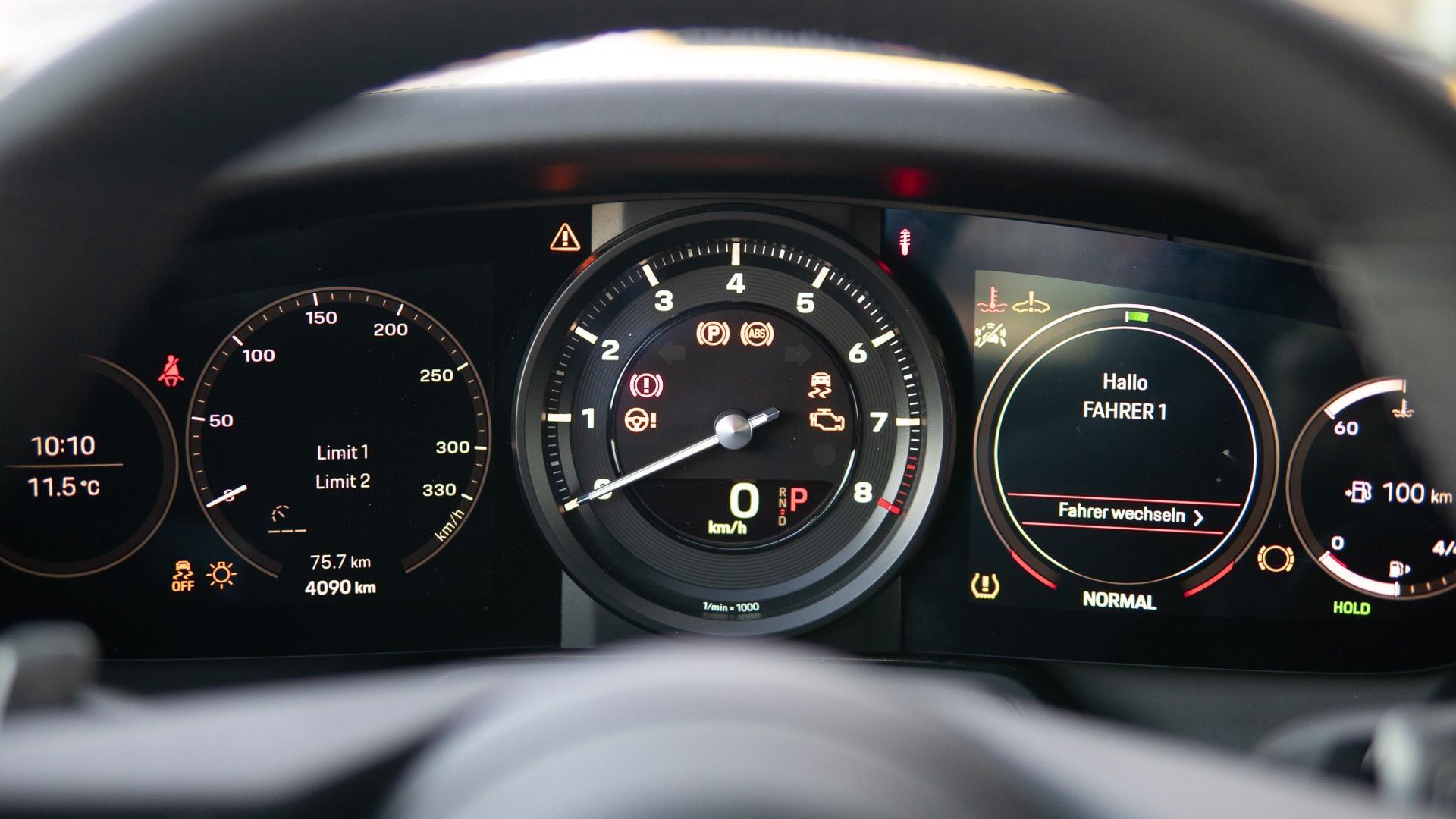
Instrument panels of all 911 generations
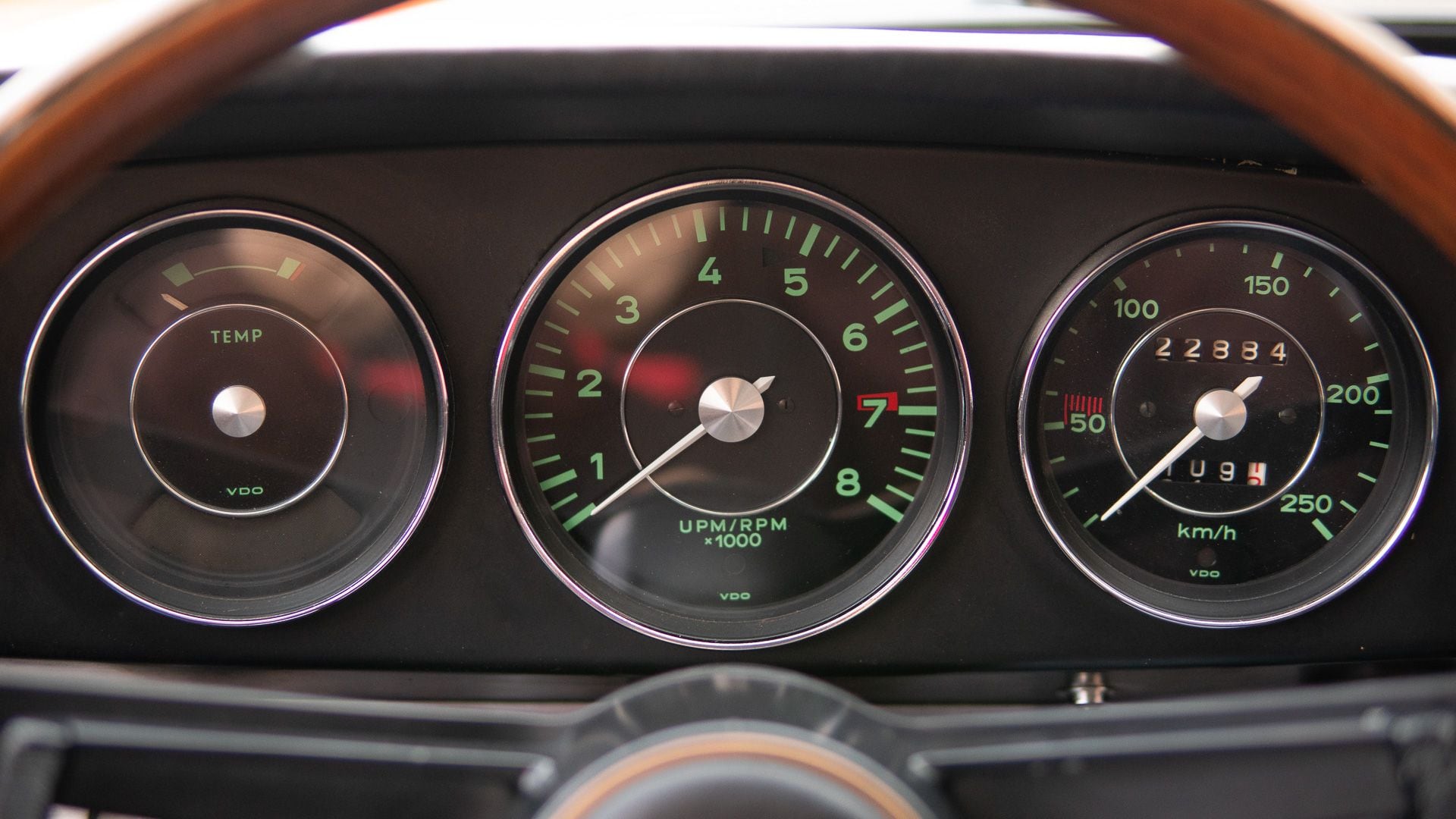
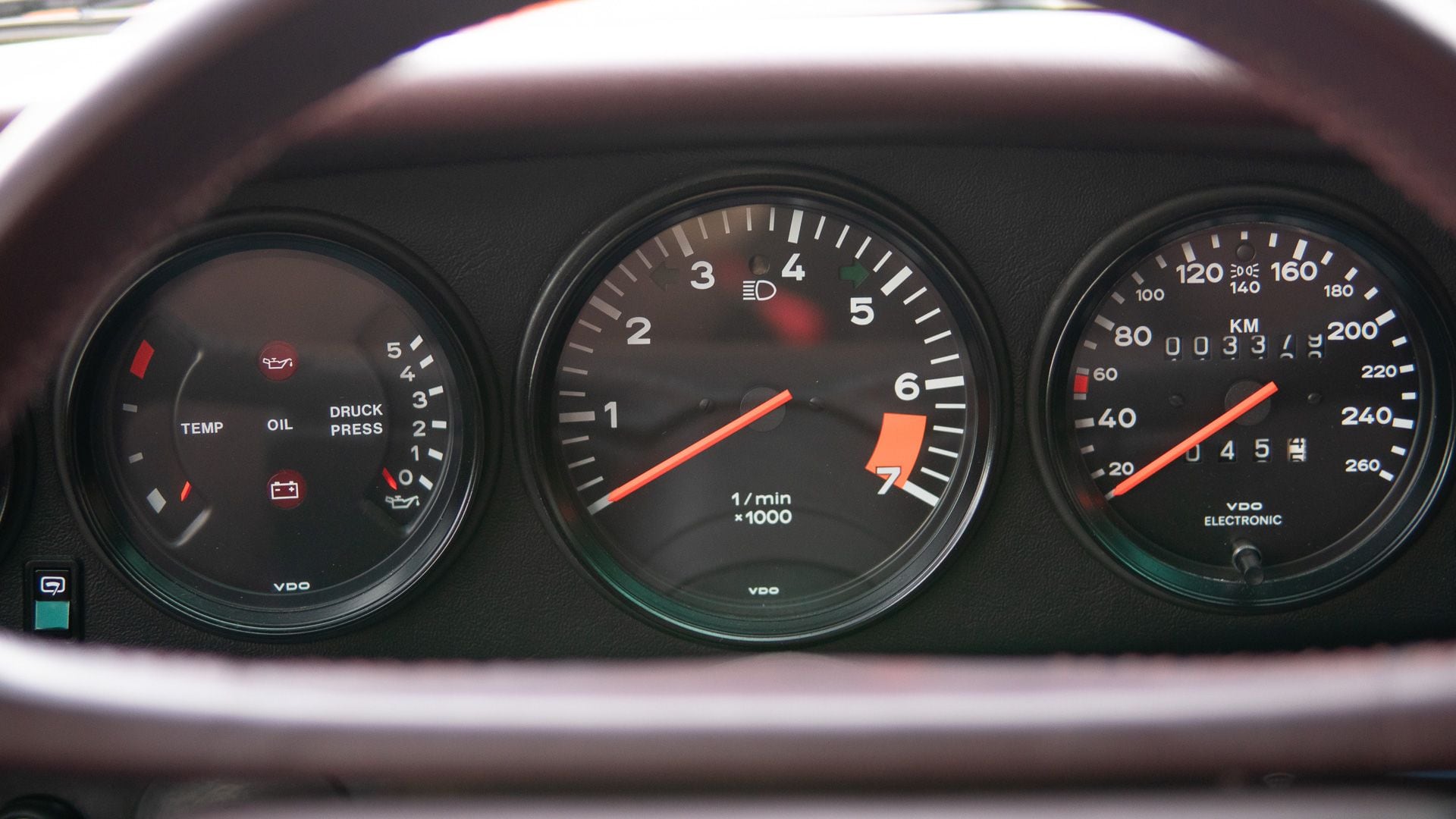
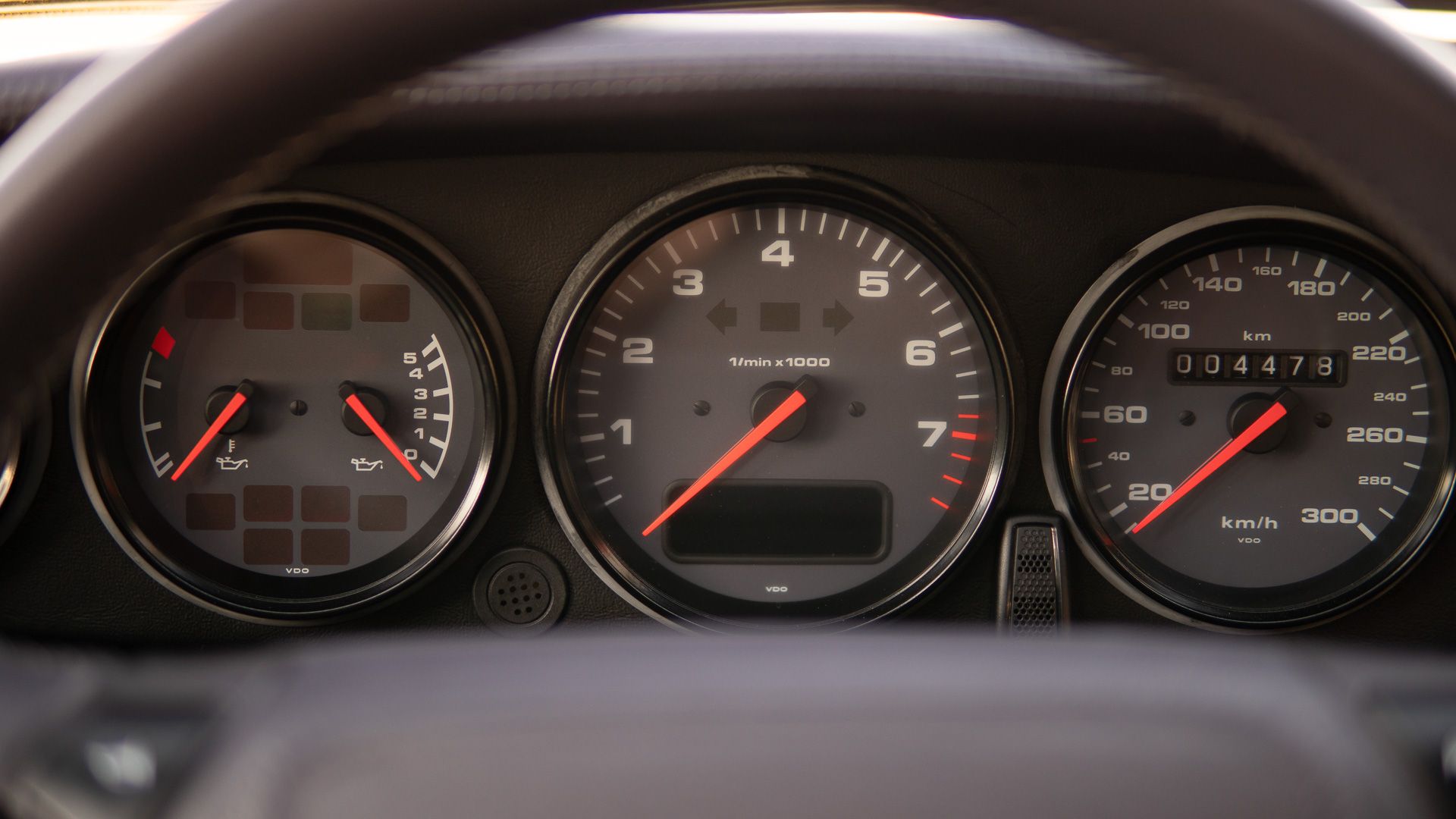
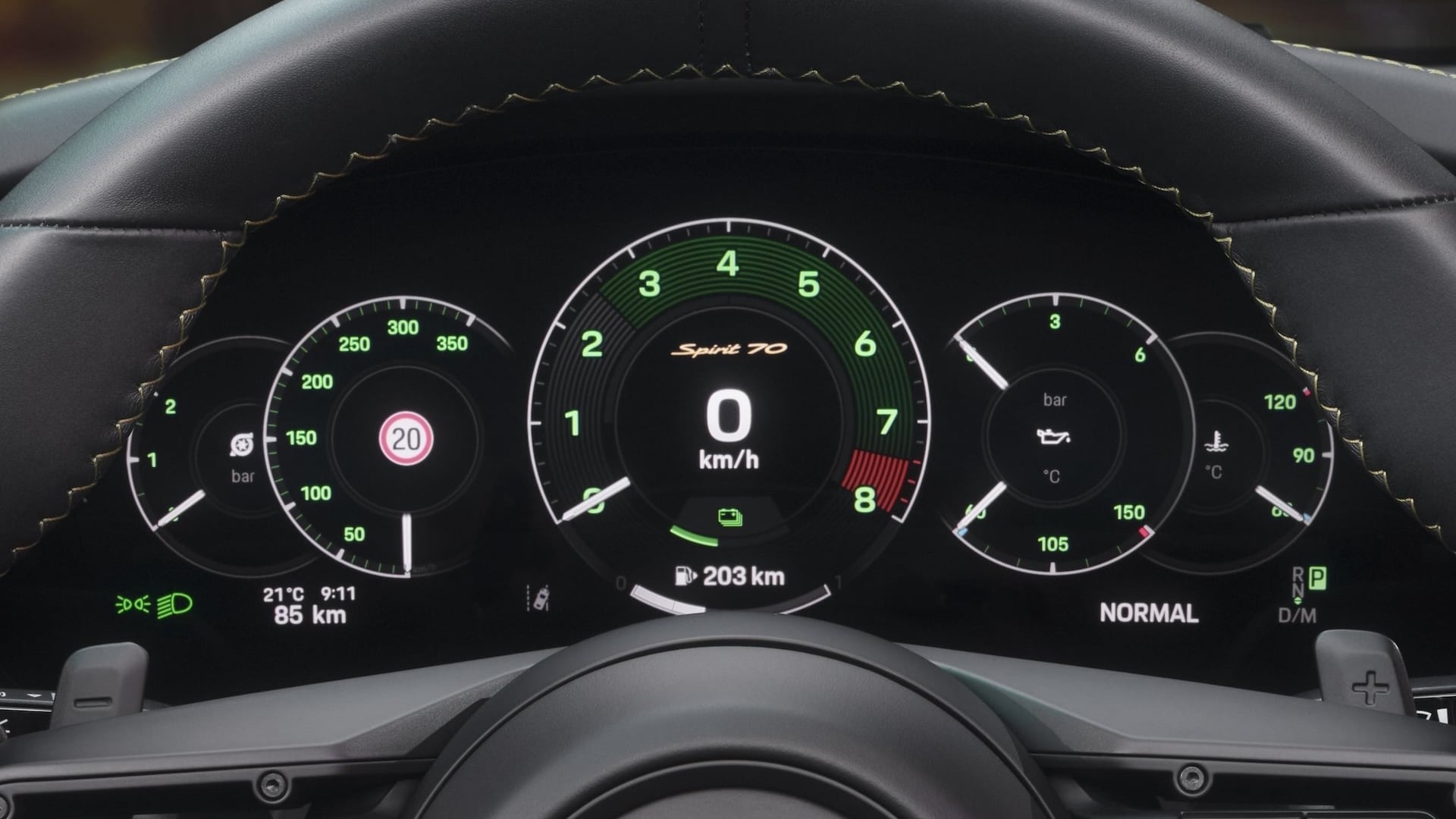
Form and Function in the Digital Age
As we enter the era of digitalization, cockpit architecture has evolved dramatically. Yet, even in the fully digital displays of the current 911 or the electric Taycan, the central focus remains.
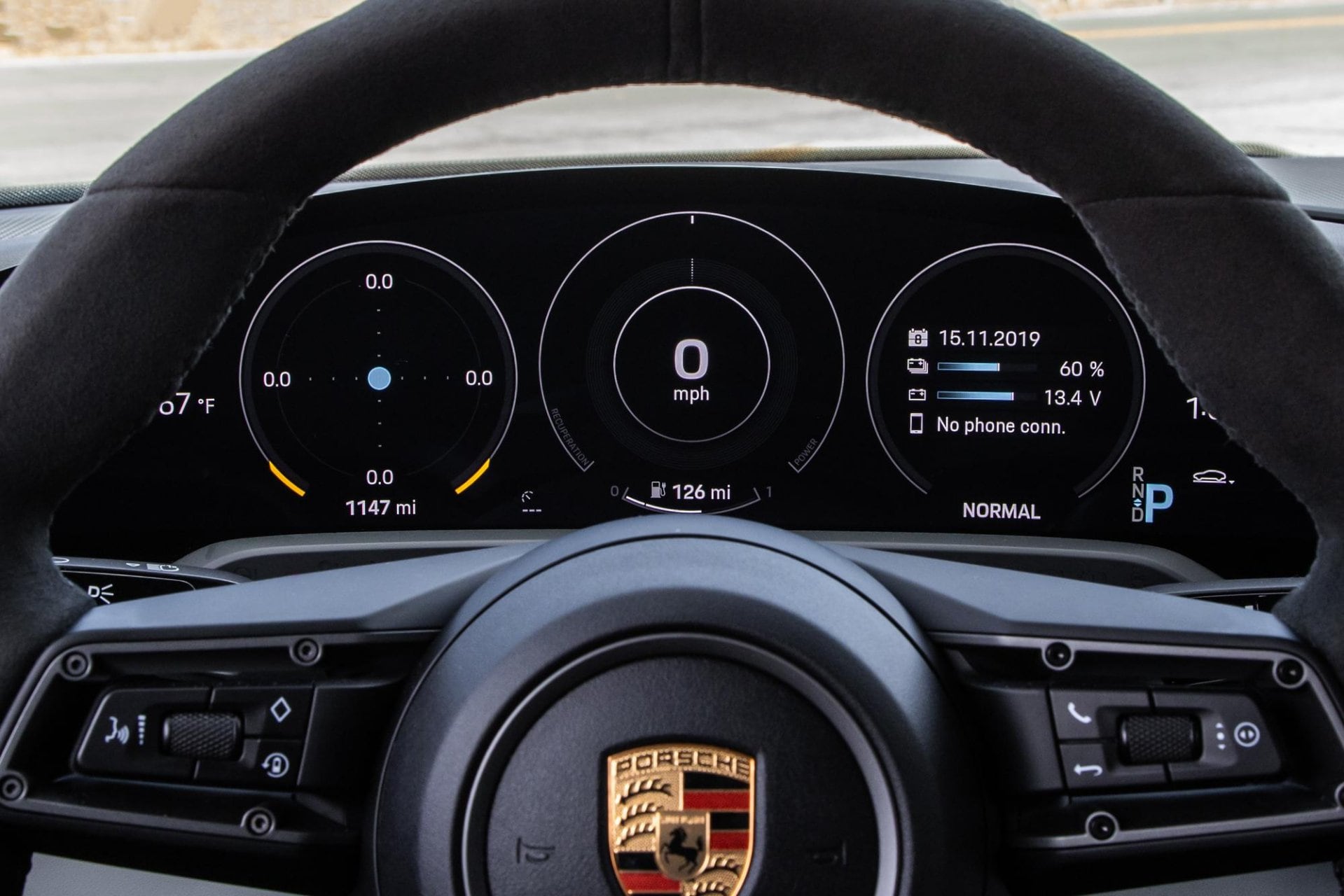
The tachometer has learned new tricks, often displaying speed digitally within its dial, but the hierarchy of information has not changed. The architecture of the round instruments merges seamlessly with modern technology, maintaining the clarity that drivers have relied on for generations.
In a Porsche, form always follows function. The centrally positioned tachometer is a constant reminder that, regardless of the era, the connection between car and driver is paramount.